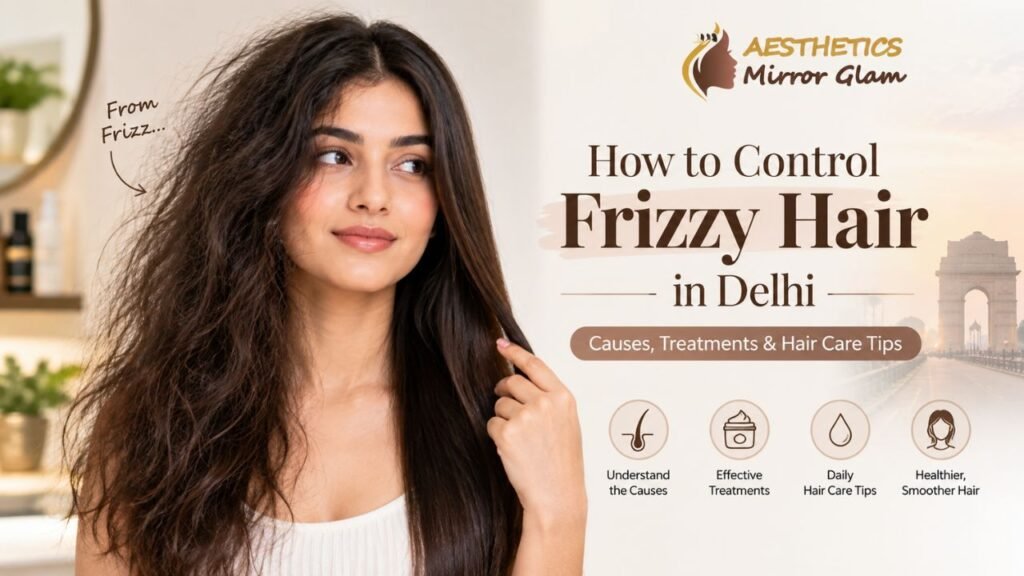
How to Control Frizzy Hair in Delhi: Causes, In-Clinic Treatments & Pro Care Tips
Is the relentless Delhi humidity, high-TDS hard groundwater, and summer heat making your hair puffy, dry, and impossible to style? Explore the scientific biology behind hair frizz and learn how our bespoke Keratin, Hair Botox, and Nanoplastia treatments at Aesthetics Mirror Glam Studio restore mirror-sleek shine and weather-proof smoothness.
Professional Hair Smoothening & Frizz Control in Rohini, Delhi
✓
Why Frizz Strikes Delhi: High monsoon humidity swells porous cuticles while high-TDS hard tap water creates mineral buildup.
✓
Best Salon Fixes: Keratin infuses protein; Hair Botox fills damaged fibers; Nanoplastia restructures organically without harsh fumes.
✓
Daily Pro Habit: Always use a sulfate-free shampoo, install a hard water tap filter, and apply heat protectant serums.
THE SCIENCE BEHIND THE SWELL
Why Does Hair Get So Frizzy in Delhi?
Frizz is not merely a styling flaw; it is a structural cry for moisture. When the outer cuticle layer of the hair fiber is raised, dehydrated, or damaged, it behaves like a sponge, drinking in moisture from Delhi’s muggy atmosphere.
🌧️
Extreme Monsoon & Summer Humidity
Delhi’s monsoon relative humidity regularly exceeds 80%. When dry hair encounters humid air, hydrogen bonds inside the cortex break and re-form erratically, forcing the strand to buckle, bend, and expand into an unmanageable halo of frizz.
🚿
High-TDS Delhi Hard Water & Minerals
Groundwater and municipal tap supplies across Rohini and North-West Delhi are laden with heavy calcium, magnesium, and chloride ions. These minerals coat the hair cuticle in an impermeable chalky layer that blocks conditioners and causes brittle breakage.
☀️
Intense UV Radiation & Thermal Styling
Delhi’s blistering 45°C summer sunshine combined with frequent blow-drying and straightening irons strips the natural lipid layer (18-MEA) that coats healthy hair shafts, leaving the cuticles cracked and lifted.
🧪
Over-Processing & Bleaching Damage
Frequent chemical lightening, global color without plex bonding agents, or low-grade salon straightening permanently breaks the hair’s internal disulfide keratin bonds, resulting in hollow, straw-like porosity.
💨
Urban Pollution & Airborne Particulates
PM2.5 particles and environmental smog in Delhi settle onto the scalp and hair shafts, generating free radicals and oxidative stress that oxidize hair proteins and dull natural reflectivity.
Every mane is unique. Select your hair texture and primary struggle to see which in-clinic treatment our senior stylists recommend.
Top Choice for Humidity Frizz
Keratin Protein Therapy
Rebuilds damaged keratin chains inside the cortex, sealing down rough cuticles with a thermal micro-coat. Reduces styling time by 75% and creates a smooth, weather-proof shield against Delhi monsoon humidity for up to 5 months.
Top Professional Treatments to Tame Frizz in Delhi
At Aesthetics Mirror Glam Studio in Rohini Sector-24, we combine European and Brazilian salon formulations with meticulous diagnostic strand testing.
Protein Infusion
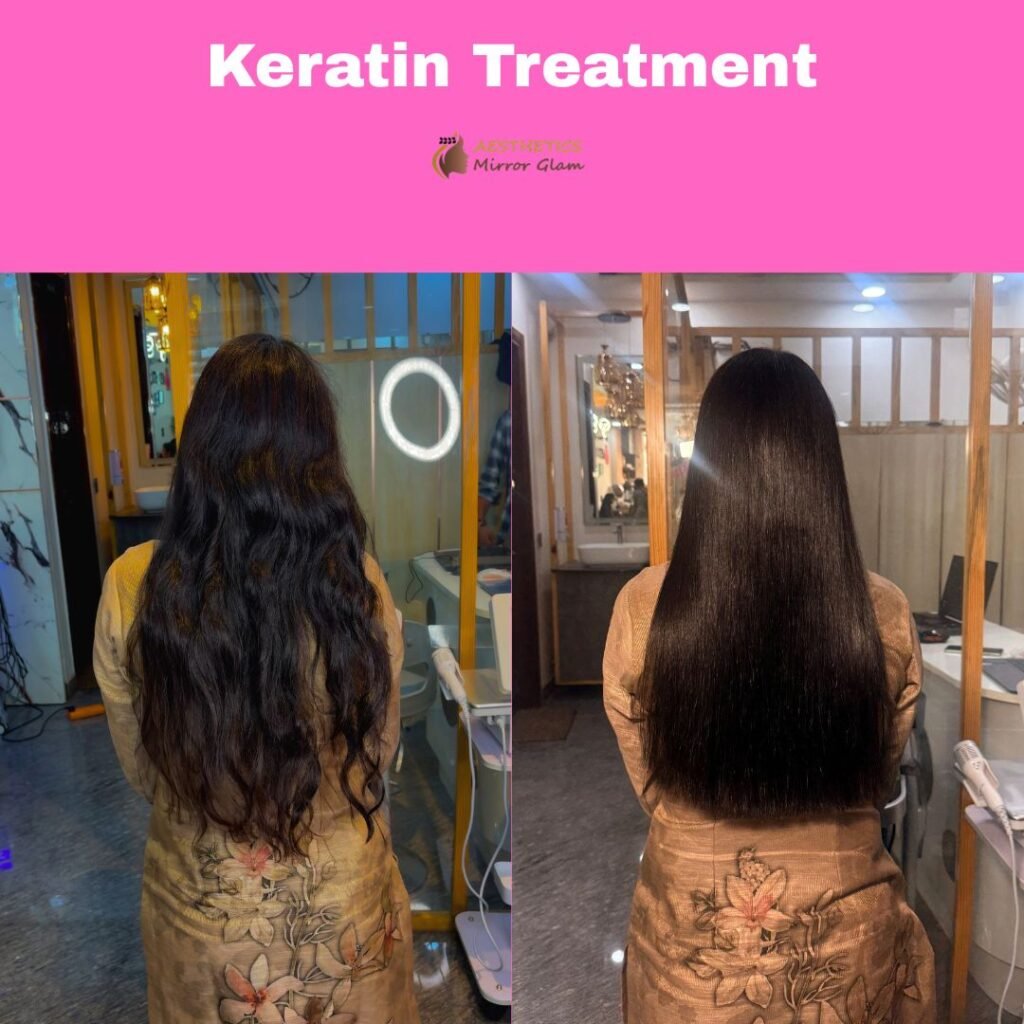
1. Keratin Treatment
Infuses natural hydrolyzed keratin proteins deep into the porous hair shaft. Seals cuticles with a mirror-smooth protective layer while preserving natural movement and soft body.
A deep conditioning non-injectable filler enriched with collagen, amino acids, and caviar oil. Fills microscopic holes in damaged cuticles, restoring immense softness and elasticity without altering curl patterns.
Cutting-edge organic nano-particles (amino acids and plant extracts) penetrate deep inside the hair cortex to realign hair bonds. 100% free of harsh fumes, burning eyes, or toxic chemicals.
Specifically formulated for thick, coarse, and resistant curl types. Chemically relaxes stubborn bonds to provide a poker-straight, silky-smooth, detangled finish that cuts morning prep to minutes.
Understand the exact differences in chemical chemistry, longevity, suitability, and final finish to make an informed choice.
Feature / Treatment
Keratin Therapy
Hair Botox
Nanoplastia
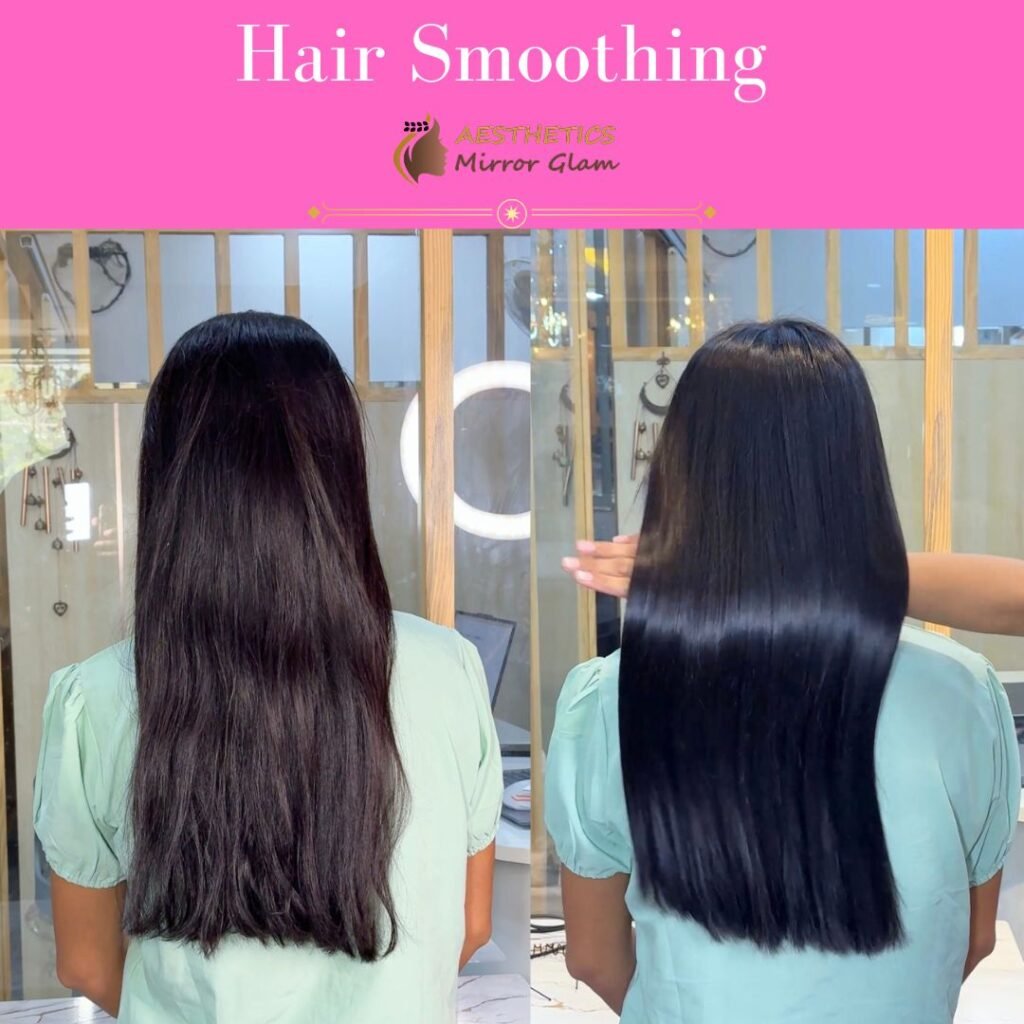
Hair Smoothening
Primary Goal
Eliminates frizz & fortifies protein
Repairs deep chemical damage & dry fiber
Organic restructuring & frizz elimination
Pin-straight realignment of curly bonds
Ideal Hair Type
Wavy, frizzy, unmanageable strands
Bleached, fine, brittle, split-end prone
Medium to thick curly, frizzy hair
Coarse, thick, dense curly textures
Chemical Fumes
Mild / Minimal
Zero (0% Formaldehyde)
Zero (Organic Plant Acids)
Standard Salon Level
Straightness Level
70% – 85% Smooth & Manageable
Maintains natural curl pattern, adds silk
85% – 95% Natural Sleekness
95% – 100% Pin-Straight
Longevity in Delhi
3 to 5 Months
2 to 4 Months
4 to 6 Months
6 to 8 Months (Root regrowth)
Post-Wash Wait Time
48 – 72 Hours
Same Day / 24 Hours
Same Day Wash
72 Hours strictly dry
DAILY SALON CARE SECRETS
7 Pro Tips to Prevent Frizzy Hair at Home
In-clinic treatments give you the ultimate foundation, but these daily habits protect your investment against Delhi’s climate.
01
Switch to Sulfate-Free & Paraben-Free Formulas
Standard sulfates act like harsh laundry detergents that strip keratin seals and natural moisture. Opt for acidic pH-balanced (pH 4.5 – 5.5) gentle cleansers.
02
Never Rub with a Terrycloth Towel
Rough terrycloth loops snag and tear wet, vulnerable cuticles. Always squeeze excess water gently with a 100% cotton microfiber towel or soft cotton T-shirt.
03
Apply Leave-In Serums on Sopping Wet Hair
Do not wait until hair is semi-dry. Applying argan oil or silicone-polymer heat shields while hair is damp locks in internal hydration and seals the outer cuticle.
04
Sleep on Pure Mulberry Silk Pillowcases
Cotton pillowcases create friction during sleep that frays hair cuticles and siphons hydration. Smooth silk or satin allows hair strands to glide with zero friction.
05
Incorporate a Weekly Deep Hydration Mask
Delhi’s dry winter air and summer AC rooms dehydrate hair cortexes. Apply a rich ceramide and fatty acid deep-conditioning hair mask once every 7 days.
06
Always Use Cold Water for the Final Rinse
Hot water expands the cuticle layer, letting moisture escape. Concluding your wash with a 30-second cold water rinse snaps the cuticles shut, boosting gloss.
07
Never Skip Thermal Heat Protection
If blow-drying or heat styling, always spray a professional thermal barrier rated up to 230°C to prevent lipid breakdown and protein carbonization.
08
Get Regular Micro-Trims Every 8–10 Weeks
Split ends travel up the hair shaft if left untrimmed, causing whole strands to unravel and frizzy puffiness to multiply. Schedule regular dusting trims.
Delhi Hard Water Crisis? Here Is Your Fix
If your bathroom water leaves white chalky mineral rings on taps, it is doing the exact same thing to your hair. High TDS mineral salts crystallize on hair fibers, making them stiff, brittle, and impossible to tame.
🚰Install a 15-Stage Shower Filter: Removes chlorine and neutralizes heavy calcium salts.
🧪Use a Chelating Clarifying Wash Monthly: Strips mineral crust without harming your hair.
✨Book a Salon Deep Botox Infusion: Replenishes lost moisture balance in 1 session.
YOUR QUESTIONS ANSWERED
Frequently Asked Questions — Frizzy Hair in Delhi
Everything you need to know about professional treatments, aftercare regimens, and scheduling at Aesthetics Mirror Glam Studio.
If your hair stays frizzy despite conditioning, it usually indicates high porosity, severe cuticle damage, or mineral buildup from Delhi’s hard water. Standard conditioners only coat the surface temporarily; they cannot rebuild broken internal keratin bonds or seal blown-out cuticles. An in-clinic Keratin or Hair Botox treatment provides the deep protein bridging needed.
Keratin is a restorative treatment that infuses protein to eliminate 100% of frizz while keeping natural volume and bounce. Smoothening is a chemical process that breaks and realigns hair bonds to give a poker-straight, flat, and sleek look.
Yes, Hair Botox is actually the #1 recommended therapy for bleached and color-treated hair! Because it contains 0% formaldehyde and is rich in collagen, amino acids, and caviar lipids, it restores strength and luster to chemically weakened strands without causing further damage.
Pricing depends primarily on hair length, density, damage level, and whether you choose Keratin, Botox, Nanoplastia, or Smoothening. At Aesthetics Mirror Glam Studio, we perform a transparent strand check and offer special introductory discounts for first-time clients via WhatsApp.
We advise against heavy hair oils (like coconut or mustard oil) after chemical smoothing or keratin because oil requires heavy sulfates to wash off, which strips away your treatment prematurely. Instead, use lightweight salon leave-in serums recommended by your stylist.
VISIT OUR ROHINI STUDIO
Experience Luxury Hair Care in Rohini Sector-24
Conveniently located for clients visiting from Rohini, Pitampura, Prashant Vihar, Paschim Vihar, Punjabi Bagh, and North-West Delhi.
📍
Studio Address
Aesthetics Mirror Glam Studio, Rohini Sector-24, New Delhi, Delhi 110085
Say Goodbye to Frizz. Say Hello to Mirror-Glass Hair.
Book your personalized strand consultation at Aesthetics Mirror Glam Studio in Rohini Sector-24, Delhi. Ask about our special first-time client welcome discount!
How to Control Frizzy Hair in Delhi: Causes & Treatments
Frizzy hair can become a daily problem, especially in Delhi. You step out after styling your hair, and within a few hours the smooth look starts disappearing. Hair feels dry, rough, puffy, or difficult to manage.
Delhi’s weather can make this worse. Humidity, dry air, pollution, heat, frequent shampooing, and regular use of styling tools can all affect the way your hair looks and feels.
So, how do you control frizzy hair in Delhi?
The first step is to understand why your hair is becoming frizzy. Once you know the cause, you can choose the right hair care routine or professional hair treatment.
What causes frizzy hair?
Frizz usually appears when the outer layer of the hair, called the cuticle, becomes rough or lifted. Moisture can then move into the hair more easily, which can make individual strands swell and look uneven.
Several everyday habits can contribute to this.
1. Delhi weather and humidity
Humidity is one of the common reasons for frizzy hair. When there’s moisture in the air, dry or porous hair can absorb some of that moisture.
The result?
Hair can start looking puffy, wavy, or rough, especially after you spend time outdoors.
Delhi’s weather changes throughout the year, so your hair care routine may need some adjustment depending on the season.
2. Dry hair
Dry hair is more likely to look frizzy because it needs moisture and conditioning.
Frequent shampooing, strong cleansing products, chemical services, excessive heat, and not using conditioner regularly can leave the hair feeling dry.
If your hair feels rough when you run your fingers through it, dryness may be part of the problem.
3. Heat styling
Straighteners, curling irons and blow dryers can make styling easier, but frequent high-heat use can leave hair dry.
Using a straightener every morning to control frizz can turn into a cycle where the hair becomes drier and then needs even more styling.
If you use heat, keep the temperature reasonable and use a heat-protectant product.
4. Hair damage
Colouring, bleaching, repeated chemical treatments, and excessive heat can affect the hair cuticle.
Damaged hair may become more porous, which can make it harder to control.
You may notice split ends, rough texture, tangling, dryness, or frizz around the crown and ends.
5. Wrong hair-washing routine
Your shampoo routine matters.
Using very hot water, shampooing too frequently, aggressively rubbing the scalp and hair, or skipping conditioner can leave the hair feeling dry.
You don’t need a complicated routine. Small changes can make a noticeable difference over time.
How to control frizzy hair at home
You can start with a few simple habits before considering a salon treatment.
Use a gentle shampoo
Choose a shampoo based on your scalp and hair type.
If your scalp gets oily quickly, you may need regular cleansing. If your hair is dry or chemically treated, a gentler shampoo and a good conditioner can help reduce that rough feeling.
Focus shampoo mainly on the scalp. Let the foam clean the lengths as you rinse instead of aggressively rubbing the ends.
Always use conditioner
Conditioner is one of the easiest steps to add to a frizzy hair routine.
Apply it mainly through the mid-lengths and ends. Leave it on for the recommended time and rinse properly.
If your hair is very dry, you can also use a hair mask once a week.
Don’t rub your hair with a towel
Wet hair is more fragile.
Rubbing it aggressively with a rough towel can create friction and make the hair look frizzier.
Gently squeeze out excess water and use a soft towel or microfiber towel. Then let your hair dry naturally when possible.
Use a wide-tooth comb
Brushing aggressively through wet hair can cause unnecessary pulling and breakage.
Use a wide-tooth comb and start from the ends. Slowly work your way upward.
This simple habit can make detangling much easier.
Reduce frequent heat styling
If you’re using a straightener every day, try giving your hair some breaks.
When you do use a blow dryer or straightener, apply a heat protectant first and avoid repeatedly passing the tool over the same section.
Protect your hair outdoors
Delhi’s outdoor environment can leave hair feeling dirty and dry.
If you’re spending several hours outside, tying your hair loosely or covering it with a scarf can reduce exposure to dust and direct sunlight.
Wash your hair according to your scalp’s needs instead of waiting until it feels extremely dirty.
Which salon treatments can help with frizzy hair?
Home care can help manage mild frizz. For hair that’s very dry, damaged, rough, or difficult to style, professional hair treatments are another option.
The right treatment depends on your hair condition, previous chemical services, texture, and the result you want.
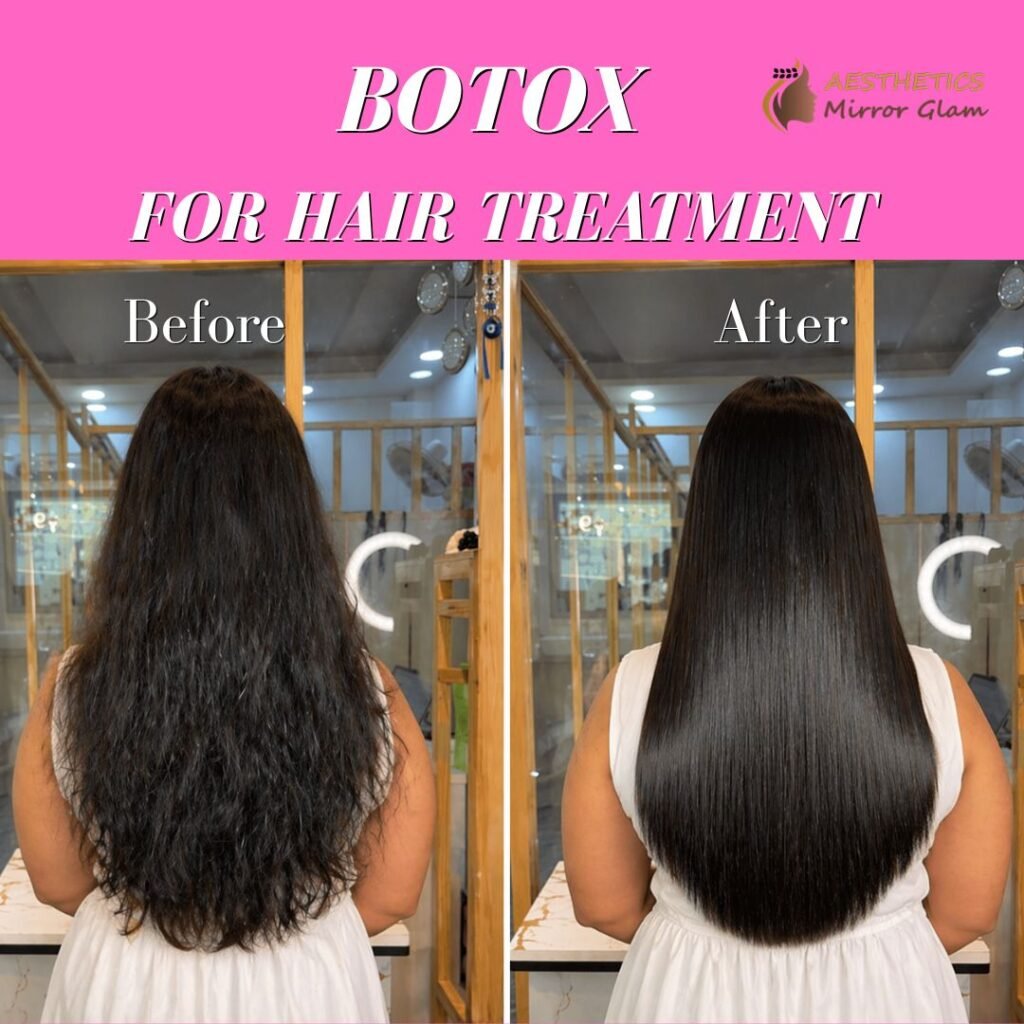
Hair Botox
Hair Botox is a salon hair treatment commonly chosen by people who want smoother-looking, softer and more manageable hair.
It can help improve the appearance of dry, rough and frizzy hair. The treatment is applied to the hair and followed by a specific processing and styling process based on the product and salon protocol.
If your main concern is frizz and dryness, ask the stylist whether Hair Botox is suitable for your current hair condition.
Keratin treatment
Keratin treatments are commonly chosen for reducing frizz and making hair easier to manage.
They can make the hair appear smoother and can reduce the amount of daily styling needed.
The exact result depends on the product, application process, your natural hair texture and the condition of your hair.
Before getting a keratin treatment, tell your stylist about previous colouring, bleaching, straightening or other chemical services.
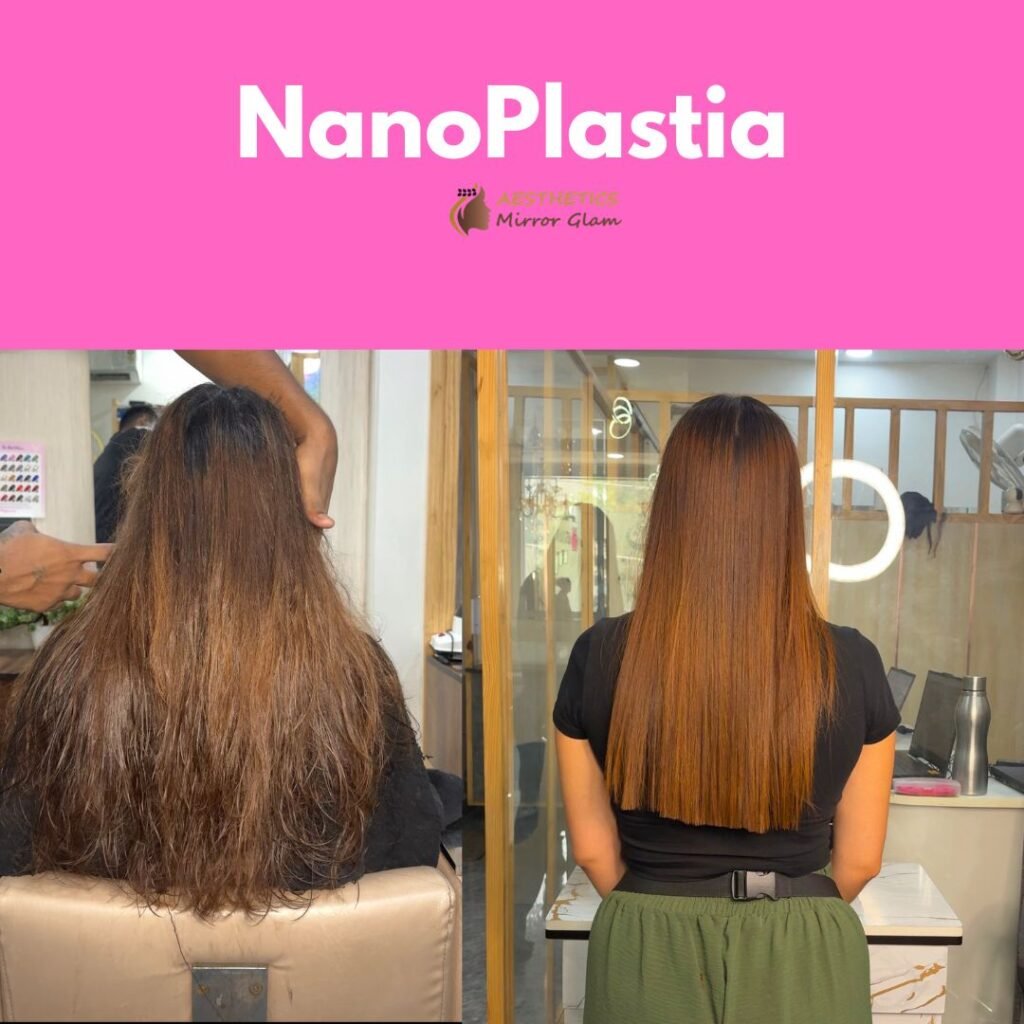
Nanoplastia
Nanoplastia is another salon treatment people consider when they want smoother, more manageable hair.
It can help reduce the appearance of frizz and make styling easier. The final result depends on your hair type and the product and technique used.
If your hair has been heavily bleached or chemically treated, a proper hair assessment should come before choosing a smoothing service.
Hair spa
Sometimes your hair simply needs conditioning and care.
A professional hair spa can be useful when the main concern is dryness, rough texture and lack of softness.
Hair spa treatments are generally focused on conditioning and improving the feel and appearance of the hair. The results can vary depending on the products used and your existing hair condition.
Which frizzy hair treatment should you choose?
There’s no single treatment that suits every head of hair.
For example, someone with mildly dry hair may only need better conditioning and a regular hair spa. Someone with persistent frizz and difficult-to-manage hair may ask about a smoothing treatment.
If your hair has been bleached, coloured or chemically treated, the stylist should check its condition before recommending a service.
Tell your stylist what you want clearly.
Do you want softer hair?
Less frizz?
Straighter-looking hair?
Easier daily styling?
Or are you mainly trying to repair the dry feeling?
The answer can change which treatment makes sense.
How to maintain smooth hair after a salon treatment
Getting a salon treatment is only one part of managing frizz.
Your home routine still matters.
Use the shampoo and conditioner recommended for your hair type. Avoid washing with very hot water, and don’t use high heat every day.
A leave-in conditioner or anti-frizz serum can also help with daily styling. Apply a small amount through the lengths and ends, especially if your hair becomes rough after drying.
Regular trims can help manage split ends and keep the lengths looking neater.
And if your hair starts feeling dry again, don’t keep adding more heat to make it look smooth. Check your washing, conditioning and styling routine first.
Common mistakes that can make frizzy hair worse
Some habits are easy to overlook.
Washing hair with very hot water: Hot water can leave the hair and scalp feeling dry.
Skipping conditioner: Shampoo cleans the hair, but conditioner helps improve softness and manageability.
Using too much styling heat: Repeated high heat can contribute to dryness and breakage.
Applying too much serum: More product doesn’t always mean smoother hair. Start with a small amount.
Ignoring damaged ends: Split and damaged ends can make the entire hairstyle look rough.
Doing chemical treatments too frequently: Hair needs time between services, especially when it has already been coloured or chemically treated.
Frizzy hair care routine for Delhi weather
If you live in Delhi and deal with frizz regularly, keep your routine simple.
Start with a suitable shampoo for your scalp. Follow it with conditioner on the lengths and ends.
After washing, gently remove excess water instead of rubbing your hair. Use a leave-in product or anti-frizz serum if your hair needs extra control.
Before using a blow dryer or straightener, use heat protection.
And when you’re outside for long periods, protect your hair from direct sun, dust and environmental exposure where practical.
If the frizz continues despite a good routine, a professional hair consultation can help you understand whether dryness, damage, texture, or chemical processing is contributing to the problem.
When should you see a hair professional?
Consider getting your hair checked by a professional if you have persistent frizz along with severe dryness, breakage, split ends, excessive tangling or noticeable changes in hair texture.
A stylist can look at the condition of your hair and discuss suitable options such as a hair spa, Hair Botox, keratin treatment or Nanoplastia.
The treatment should match your hair condition.
That’s especially important if you’ve recently coloured, bleached, straightened or chemically treated your hair.
Frizzy hair treatment in Rohini, Delhi
If you’re searching for frizzy hair treatment in Rohini, Delhi, Aesthetics Mirror Glam Studio in Rohini Sector-24 provides professional hair care and smoothing services for clients dealing with dry, rough and frizzy hair.
Hair services can include treatments such as Hair Botox, Keratin and Nanoplastia, depending on the condition and needs of your hair.
Before choosing a treatment, discuss your hair history with the stylist. Mention recent colouring, bleaching, smoothing, straightening or other chemical services.
This helps the stylist understand what your hair has already been through and recommend a suitable service.
Frequently asked questions about frizzy hair
Why does my hair become frizzy in Delhi?
Delhi’s changing weather, humidity, dry air, pollution, heat exposure and personal hair-care habits can all contribute to frizz. Dry or damaged hair can be more difficult to manage.
What is the best treatment for frizzy hair?
There isn’t one treatment that works the same way for everyone. Hair Botox, keratin, Nanoplastia and hair spa treatments are commonly chosen for different types of frizz and dryness. Your hair condition should be checked before choosing a service.
Can a hair spa reduce frizz?
A hair spa can improve the feel and appearance of dry hair by providing conditioning. If frizz is caused by significant damage or texture, you may need a different approach.
How can I control frizzy hair naturally?
Use a suitable shampoo, condition your hair regularly, avoid excessive heat, handle wet hair gently and protect your hair from harsh environmental exposure.
Is keratin treatment good for frizzy hair?
Keratin treatments are commonly used to make hair smoother and easier to manage. Results depend on the product, technique, natural hair texture and current hair condition.
How often should I get a frizzy hair treatment?
It depends on the treatment and your hair condition. Don’t schedule chemical or smoothing services simply because a fixed calendar date has arrived. Your stylist can advise you based on the previous treatment and the current condition of your hair.
Final thoughts
Frizzy hair can come from several things happening at once: weather, dryness, heat, chemical treatments, hair texture and daily habits.
Start with the basics. Use the right shampoo and conditioner, handle wet hair gently, reduce unnecessary heat and protect your hair when you’re outside.
If your hair still feels rough or difficult to manage, a professional consultation can help you decide whether a hair spa, Hair Botox, keratin treatment or Nanoplastia is suitable.
For those looking for frizzy hair treatment in Rohini or Delhi, choosing a treatment after checking your actual hair condition is a much better starting point than simply picking the most popular service.
 Protein Infusion